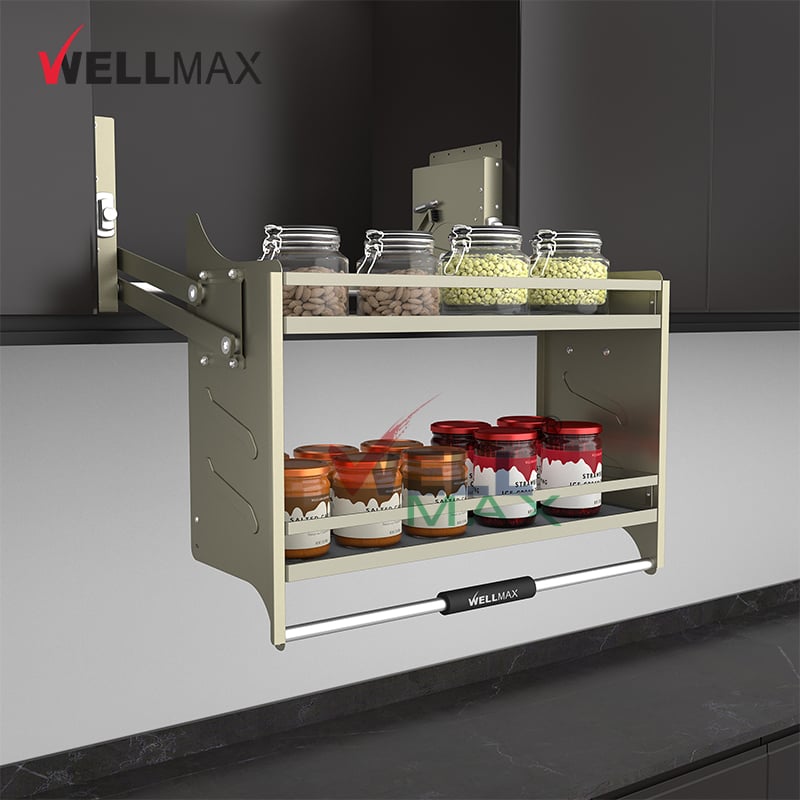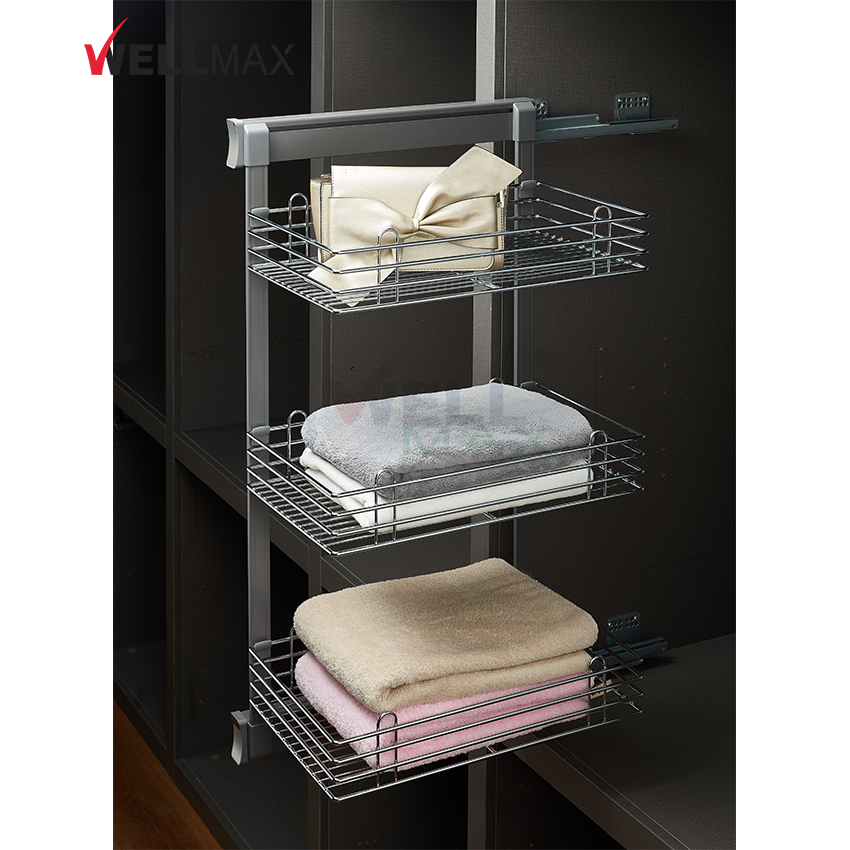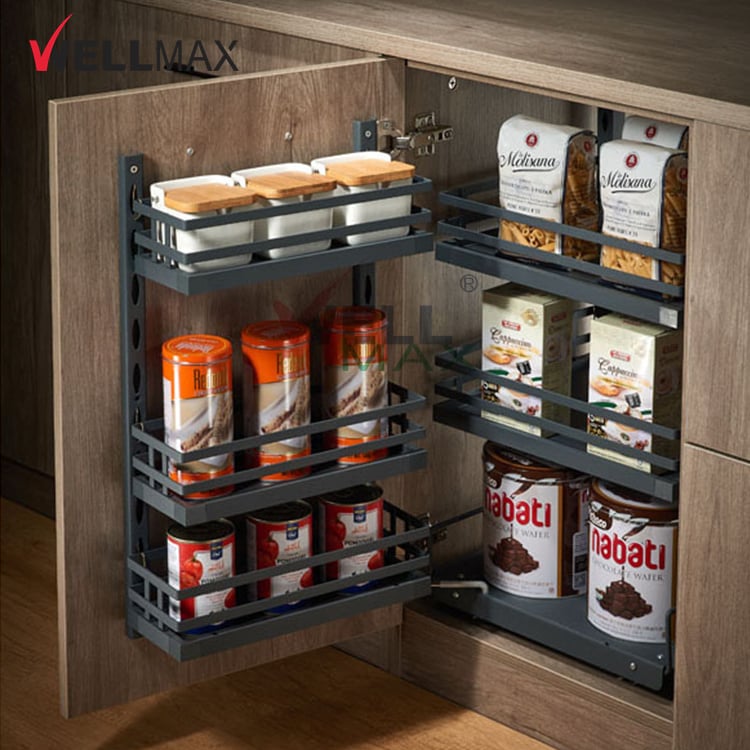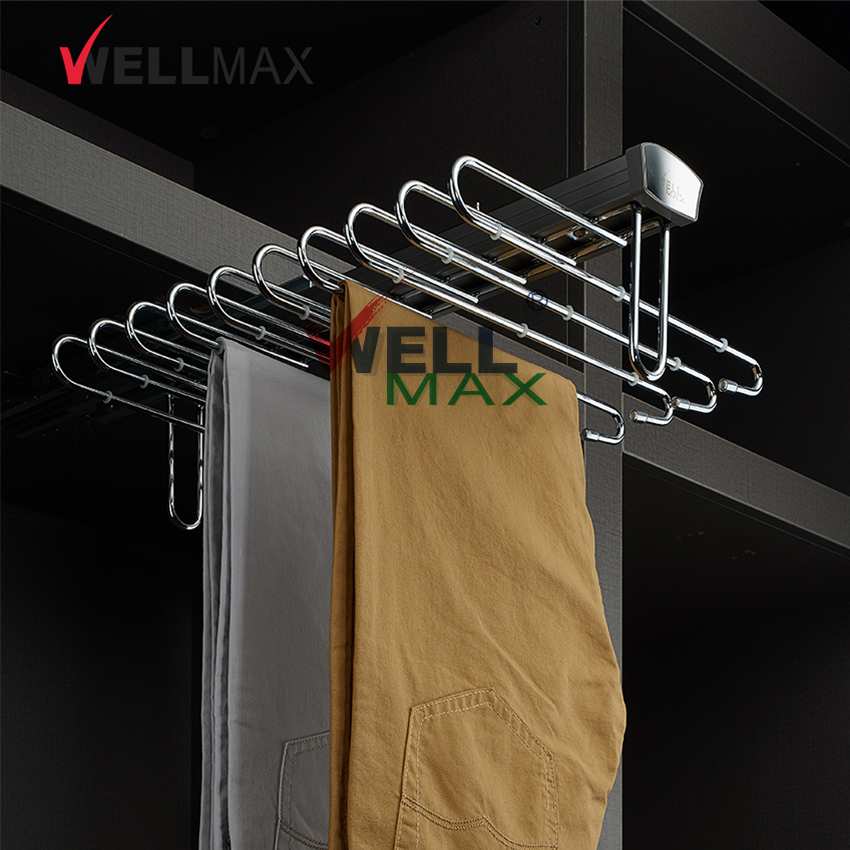
Adjustable shelving really makes a difference when it comes to making better use of vertical space in cabinets. These shelves can handle everything from those tiny 4-inch spice jars right up to big 12-inch cereal boxes. According to a recent study called the Kitchen Storage Solutions Report from 2023, most kitchens actually waste about 40% of their vertical cabinet space just because the shelves aren't set up properly. When we space out the shelves between 2 and 4 inches apart, we create these little custom spots where things fit just right. This stops us from wasting all that extra headroom above our stuff, plus it keeps our baking supplies within easy reach. People who switched from fixed shelves reported around 30% less clutter overall.
Pull out pantries work wonders even in those tight spots where there's just about 6 inches between appliances, turning what would otherwise be wasted space into something actually useful for storing stuff. When we talk about how these things slide out, they bring everything right to the front so nobody has to stretch their arm past 18 inches which happens to be pretty much the farthest most people can comfortably reach according to some kitchen ergonomics research I came across. And when dealing with really narrow areas measuring less than 10 inches wide? Vertical dividers come in handy for organizing cans and jars neatly. Plus, those tiered organizers make sure nothing gets lost at the back because everyone can see exactly what's available without having to dig through boxes or containers first.
When it comes to heavy duty slides that handle over 100 pounds, they really make a difference in preventing those annoying sags when we store stuff like cast iron cookware or big bags of flour and rice. The way we arrange things matters quite a bit too. Putting the heavier stuff down low actually takes a lot less strain off the hardware than people might think. Some tests showed something around 60% less stress on the components when done right. For cabinets that go all the way from floor to ceiling, reinforced steel frames combined with runners placed in the middle are super important for keeping everything stable side to side. Without this setup, even small imbalances can lead to serious problems over time, like the whole unit starting to lean or warp.
Glass shelves made with tempered glass can hold around 50 pounds per square foot and let people see what's stored below them. This helps prevent that whole forgotten food problem most folks experience, which affects about 78% of deep pantries according to the Pantry Organization Study from last year. The edges are frosted so things don't look too cluttered visually but still keep their strength. Plus, these shelves won't stain when something spills on them because they're non porous. Wood laminates just soak up oils eventually and get stained no matter how much cleaning they get.
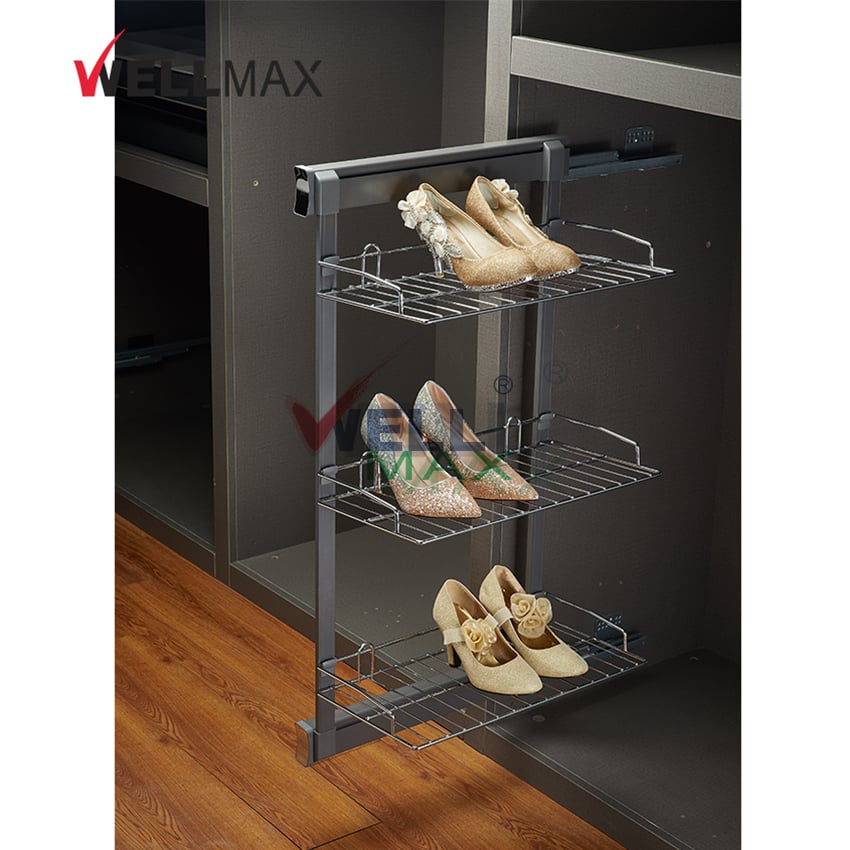
These pull out shelves work great in regular cabinetry that's deeper than 18 inches, making those hard to reach items at the back finally accessible thanks to those full extension glides. No more digging around like with traditional fixed shelves. The adjustable systems come with strong side rails that hold up even when loaded down with heavy stuff like cans or small appliances, handling weights between 50 to 70 pounds without bending. Want to make better use of vertical space? Just adjust the shelf heights in increments of about 2 to 4 inches throughout standard 30 to 36 inch base cabinets. And for narrower cabinets measuring 18 to 24 inches wide, there are shallower versions about 14 inches deep that still give enough room to walk past them while packing in plenty of storage without feeling cramped.
Many homeowners are finding creative ways to make better use of those awkward spaces behind cabinet doors. These slim units, typically around 4 to 7 inches deep, attach right inside cabinets using durable hinges that won't rust over time. Great for storing things like spices, sauces, or baking ingredients, they feature clear glass panels so contents stay visible even when closed. The shelves are arranged in tiers too, helping keep everything organized without taking up valuable counter space. According to renovation industry reports, installing these kinds of organizers instead of completely replacing cabinets can save anywhere from 30 to 50 percent on costs. Some models come with both vertical slots for holding bottles upright and pull out trays that work well for flatter items like jars or containers. Putting one near where food gets prepared cuts down on how many steps someone needs to take to grab what they need compared to traditional corner pantry setups. This makes them especially handy in areas where people spend a lot of time baking or brewing coffee throughout the day.
These storage units got their name because they look kind of like medicine cabinets, but they're way better at saving space. They fit into really tight areas since they can be as narrow as 10 inches across, and each one has between 8 to 15 adjustable shelves stacked vertically. The shelves hold anywhere from 15 to 25 pounds, which works great for storing canned food, snack packs, or even those growing collections of spices people seem to accumulate. A recent study by NSF in 2023 found that this vertical arrangement actually frees up around 43% more room compared to regular shelves. The steel corners keep everything stable when pulling out, and the shelves close gently so no loud bangs at night. There are also divider inserts that let users create special spots for tricky items such as big oil containers or awkwardly shaped baking sheets instead of just having flat surfaces everywhere.
| Feature | Basket Systems | Shelf Systems |
|---|---|---|
| Airflow | Wire construction improves ventilation (ideal for produce) | Solid surfaces trap air (better for dry goods) |
| Small Item Support | Items may tip through gaps | Complete backing prevents spills |
| Loading Capacity | 30–50 lb average | 70–100 lb reinforced options |
| Visual Clarity | Contents partially obscured | Full visibility with glass/tinted acrylic options |
Basket units suit root vegetables or bulky potatoes needing airflow, while shelf-based configurations secure fragile jars or small packets better with optional non-slip liners. Consider item frequency–baskets simplify bulk access, whereas solid shelves enable precise compartmentalization for weekly essentials.
Positioning shelves at waist-to-shoulder level (typically 30–48 inches) reduces back strain by 72% during pantry access (Ergonomic Studies 2024). This alignment with standard countertops (36 inches) creates seamless item transfer zones. Neutral posture positioning minimizes repetitive stress injuries while accommodating users of varying mobility.
Heavy-duty ball-bearing slides supporting 100+ lbs ensure single-finger operation even when fully loaded. Full-extension systems reveal 100% of contents, eliminating blind searching that wastes 2.5 minutes per meal prep (Kitchen Efficiency Report 2023). Soft-close mechanisms prevent jarring stops that cause item displacement.
Magnetic or push-release locks withstand 15+ lbs of force while remaining operable for arthritis sufferers. These safety features reduce child-access incidents by 89% in households (Home Safety Council 2024). Tactile indicators and contrasting colors aid users with visual impairments during operation.
Organizing kitchen stuff according to how often we actually use them makes finding things so much easier. Keep those daily necessities like oil bottles and spice jars within easy reach around waist level to eye level area. Save the hard to reach spots at the very top or bottom for stuff we only pull out once in a while during holidays or special occasions. According to some research on kitchen ergonomics, this kind of vertical organization cuts down on bending over and stretching way up there by almost three quarters. When dealing with slim cabinets, it helps to put taller containers along sliding tracks so they don't block other stuff. And grouping similar foods together in their own little corners keeps everything from getting packed in too tight where nothing fits anymore.
Transparent storage bins take the mystery out of what's inside since we can see contents at a glance. Research indicates that people find things about 40% faster when using clear containers instead of those black plastic boxes nobody can see through. When organizing these clear bins, it helps to label sections like "Baking Stuff" or maybe "Morning Foods" so everyone knows where to look. Adding some adjustable dividers made from acrylic keeps everything from rolling around or spilling over. Going one step further, color coding those labels makes finding stuff even quicker. For canned goods, tiered shelves work wonders because they let light hit multiple layers at once. The bonus? Less wasted food since older items tend to get noticed and used before they expire sitting forgotten in the back.
Full-extension mechanisms provide 100% shelf access by sliding completely beyond cabinet frames, enabling unimpeded viewing and retrieval of rear items without moving front objects. Partial-extension alternatives leave 25–30% of shelf space inaccessible, requiring item shuffling. The table below compares key considerations:
| Feature | Full-Extension | Partial-Extension |
|---|---|---|
| Rear item accessibility | Complete | Limited (70–75%) |
| Visual inventory check | Unobstructed | Partial obstruction |
| Weight capacity | Higher load stability | Moderate stability |
| Space efficiency | Maximized | Reduced rear utilization |
For frequently used pantries, full-extension systems deliver superior functionality despite higher initial investment, as they eliminate blind spots that cause item neglect and spoilage.
When kitchens don't follow standard dimensions, we need special solutions that make good use of every available space. Take those tricky angled corners or really deep areas behind appliances - custom pull out pantry systems can actually work around problems like sloped ceilings or pipes running through walls. Many top cabinet manufacturers now rely on 3D modeling software to create storage units where shelves get progressively deeper toward the bottom for storing bigger items, then taper off near eye level where people reach for everyday stuff. The result? Less wasted space without compromising how sturdy everything is. Some research suggests that when homeowners go for customized storage options rather than generic ones, they end up gaining about 40-45% more usable space in their kitchens with odd shapes. Here are some important things to keep in mind when thinking about making changes:
| Layout Challenge | Custom Solution | Space Gain |
|---|---|---|
| Angled corners | Pentagon-shaped carousels | 89% corner utilization |
| Sloped ceilings | Tapered vertical units | 28% more headroom storage |
| Obstruction zones | Notched shelf profiles | Full clearance maintenance |
Upgrading standard cabinets with slide-out mechanisms offers affordable transformation without full renovation. Most retrofit kits require only 1–2 inches of clearance depth and work with common cabinet dimensions. Full-extension slides allow complete access to rear items, reducing search time by 67% (Kitchen Ergonomics Research). For optimal weight distribution:
Simple retrofits typically take under 2 hours per cabinet using basic tools, making them ideal DIY projects. The result transforms deep cabinets into accessible pull out pantry zones while preserving existing structures.
Pull-out pantry systems are cabinetry solutions designed to enhance storage efficiency and accessibility in kitchens. They consist of adjustable shelves and mechanisms that allow items to be easily retrieved without reaching deep into cabinets.
To maximize space in narrow cabinets, consider using pull-out pantries which bring items to the front for easy access, and vertical dividers for organizing cans and jars.
Glass-bottom shelves enhance visibility and organization. They allow users to see stored items clearly while preventing staining and clutter.
Yes, existing cabinetry can be upgraded with pull-out shelves using retrofit kits. They are affordable and typically require minimal installation effort, transforming deep cabinets into more accessible spaces.
 Hot News
2025-10-13
2025-08-27
2025-08-12
2025-07-29
2025-07-16
2025-06-10
GUANGZHOU WELLMAX HOUSEHOLD CORP. LTD is a specialized manufacturer, design, produce and sell high-end whole house intelligent hardware and multifunctional hardware.
A101 C101, No. 70 Lanzhang Road, Lanhe Town, Guangzhou, Guangdong, China
Copyright © 2025 by Guangzhou Wellmax Household Corp., Ltd. Privacy Policy