Kitchen trash cans range from 4-gallon compact models for small spaces to 32-gallon wheeled units for large or active households. The 13-gallon size has become the residential standard, supporting 3–4 days of waste for most families. Commercial kitchens often require 20+ gallons to manage food prep volume.
A 13 gallon trash can fits right into most regular garbage bags and works well for families with around two to four members who typically do their waste disposal once a week. This size cuts down on how often we have to take out the trash every day, which helps keep bad smells from getting too bad compared to those tiny bins that fill up fast. Most models come in at about twelve inches wide by twenty four inches tall, so they take up reasonable space without being too big for kitchens where counter room is always tight.
Upgrade to a 16–20 gallon trash can if you experience:
– Overflowing waste before collection days
– Double-bagging due to split loads
– Compromised lid closure from overfilling
A Yale School of Public Health study (2023) found kitchens with appropriately sized trash cans reduce bacterial growth by 43% compared to overfilled units. Emptying every three days helps control odors and maintain hygiene. Oversized bins (>16 gallons) in small households may attract pests if waste sits too long without regular disposal.
Large-capacity trash cans benefit from advanced odor management. Activated carbon filters capture volatile organic compounds (VOCs) from decomposing food, while silicone gaskets create airtight seals to contain smells. For households disposing of fish, dairy, or meat packaging, these systems—when maintained monthly—can reduce odors by up to 80%.
Touchless infrared sensors or pedal-operated lids minimize bacterial transfer by eliminating hand contact. According to a 2023 NSF International study, sensor-activated designs reduce cross-contamination risks by 62% compared to manual lids. Weighted hinges prevent slamming, and rubberized seals help block pests from accessing waste.
High-performance models use non-porous materials like 304-grade stainless steel or ABS plastic for effortless cleaning. Integrated antimicrobial coatings inhibit mold and bacteria growth between washes, especially in humid environments. As noted in commercial sanitation guidelines, radius corners and seamless welding prevent debris buildup—supporting USDA-recommended hygiene standards.
Most American households use standard 13 gallon kitchen trash cans since they match around 80% of regular garbage bags according to EPA data from 2023. These bins just work better because the bags fit snugly without needing extra folding or worrying about tears. When the sizes don't match up though, things get messy real quick. Sanitation studies show mismatched containers cause spills in about 23% of kitchen waste problems. Before buying new bins, take some time to measure both the height and width of the bags people actually use at home. Look for trash cans with stronger rims that hold onto those plastic edges so bags stay put instead of slipping down during disposal.
Using undersized bags in large cans leads to frequent changes, while oversized cans with standard bags waste material. For instance, using 13-gallon bags in a 16-gallon bin wastes approximately 19% of disposable bag material annually (Waste Reduction Institute 2023). Built-in bag retention systems and clearly labeled capacities help prevent inefficiencies.
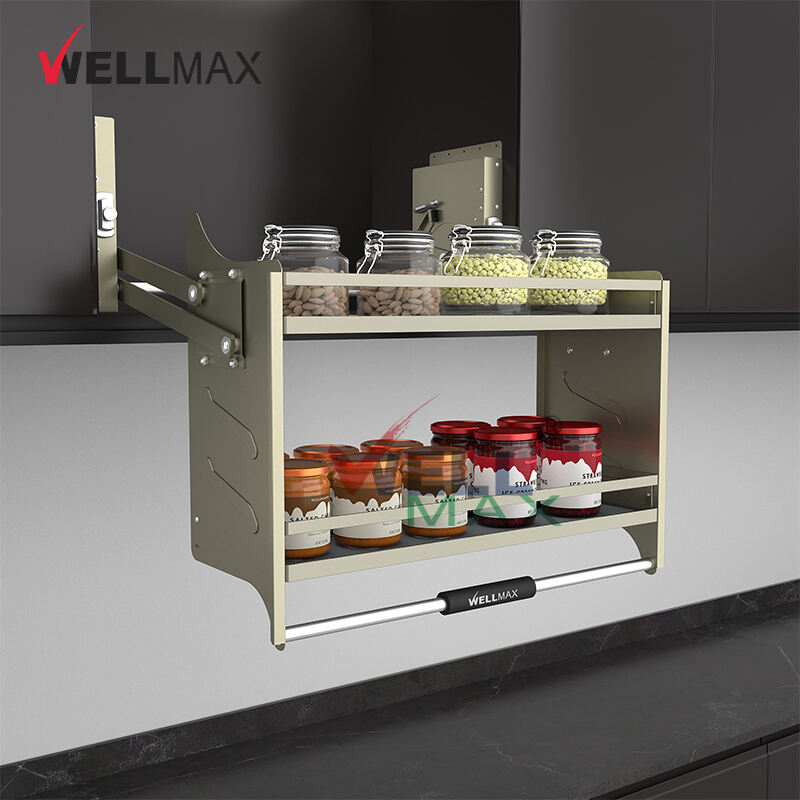
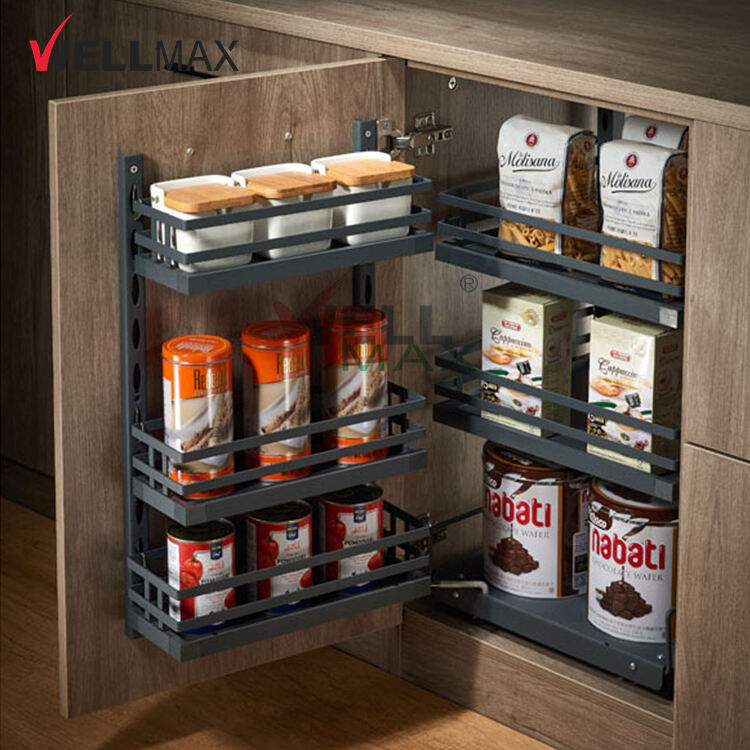
Where these big storage units go matters a lot. Those pull out organizers make it possible to stash those 13 gallon cans right where they wouldn't normally fit underneath counters. And there are also 35 quart versions made specifically to fit into most standard base cabinets that measure between 18 and 21 inches wide. When setting up freestanding models, leave at least 4 to 6 inches of space next to other appliances so people can actually get to them when needed. Corner units with those rotating lids work wonders in cramped spots though. Speaking of saving space, dual bin systems cut down on overall footprint by around 40 percent compared to keeping separate bins for compost and recycling. Makes sense really since combining functions reduces clutter without sacrificing organization.
Stainless steel is really tough stuff that resists stains and lasts ages, which makes it great for busy kitchens where things get messy all the time. Plastic alternatives are lighter on the wallet and easy to carry around, though they tend to show their age quicker when subjected to constant use. Then there are composite materials that mix durability with style possibilities. These usually have strong polymer bases mixed with some metallic touches for visual appeal. The Home Efficiency Report from last year actually found that stainless steel surfaces hold up about two to three times better than plastic ones after five years of regular kitchen activity, and still look pretty much new too.
Modern big trash cans are getting serious about looking good as well as doing the job, with options ranging from sleek matte black to brushed nickel finishes and even custom color panels. Some touchless versions come with secret storage spots that keep things tidy, while others feature wood grain patterns or metal accents that fit right into farmhouse kitchens or industrial spaces. According to recent surveys by Kitchen Design Trends in 2024, around two thirds of people want their garbage bins to match up with their cabinets or other kitchen gear. The market now offers built in units that disappear into walls alongside slimmer standalone models that don't take up too much room but still get the job done without ruining the decor.
Stainless steel remains the top choice for durability, with 13-gallon models offering excellent corrosion resistance and easy cleaning. Top-rated units feature reinforced seams, balanced lids, and sound-dampening mechanisms that reduce operational noise by up to 60% compared to plastic alternatives (Household Appliances Review, 2023).
An 2024 NSF Kitchen Hygiene Report shows 84% of households now prioritize touchless operation due to increased sanitation awareness. Infrared sensor and voice-activated lids reduce contamination risks and improve accessibility for users with mobility limitations. Recent studies on kitchen hygiene trends note a 37% increase in adoption since 2021.
Modern 13-gallon trash cans include activated carbon filters that neutralize food odors 50% longer than baking soda. Antimicrobial coatings on high-touch surfaces reduce bacterial growth by 99.6% (Microbial Safety Journal, 2023). Dual-compartment designs now support simultaneous waste and recycling separation without increasing footprint.
Choose models with welded hinges instead of plastic rivets, which fail three times faster with frequent use. Removable inner buckets and tapered interiors simplify bag insertion—a feature highlighted in 78% of positive user reviews (Consumer Durables Analysis, 2024).
The EPA’s 2023 Municipal Waste Report recommends sizing trash cans based on an average output of 4.9 lbs of waste per person per day. A 13-gallon can, holding 35–40 lbs, is optimal for a two-person household preparing seven or more meals weekly—meeting the needs of 65% of urban households.
An 8–10 gallon trash can is typically sufficient for a 1–2 person household with limited cooking needs.
13-gallon trash cans are standard because they match most garbage bags, fit well in kitchens, and suit families that dispose of waste weekly.
If you frequently experience overflowing waste, need to double-bag, or find the lid not closing properly, consider upgrading to a 16–20 gallon trash can.
Touchless trash cans reduce bacterial transfer and cross-contamination risks by eliminating the need for hand contact.
 Hot News
2025-10-13
2025-08-27
2025-08-12
2025-07-29
2025-07-16
2025-06-10
GUANGZHOU WELLMAX HOUSEHOLD CORP. LTD is a specialized manufacturer, design, produce and sell high-end whole house intelligent hardware and multifunctional hardware.
A101 C101, No. 70 Lanzhang Road, Lanhe Town, Guangzhou, Guangdong, China
Copyright © 2025 by Guangzhou Wellmax Household Corp., Ltd. Privacy Policy