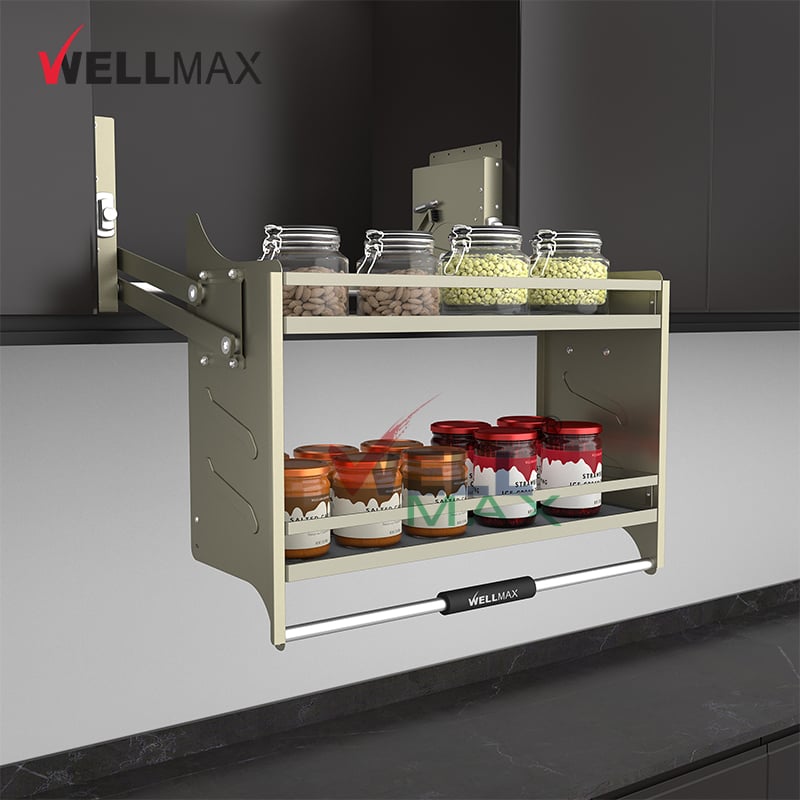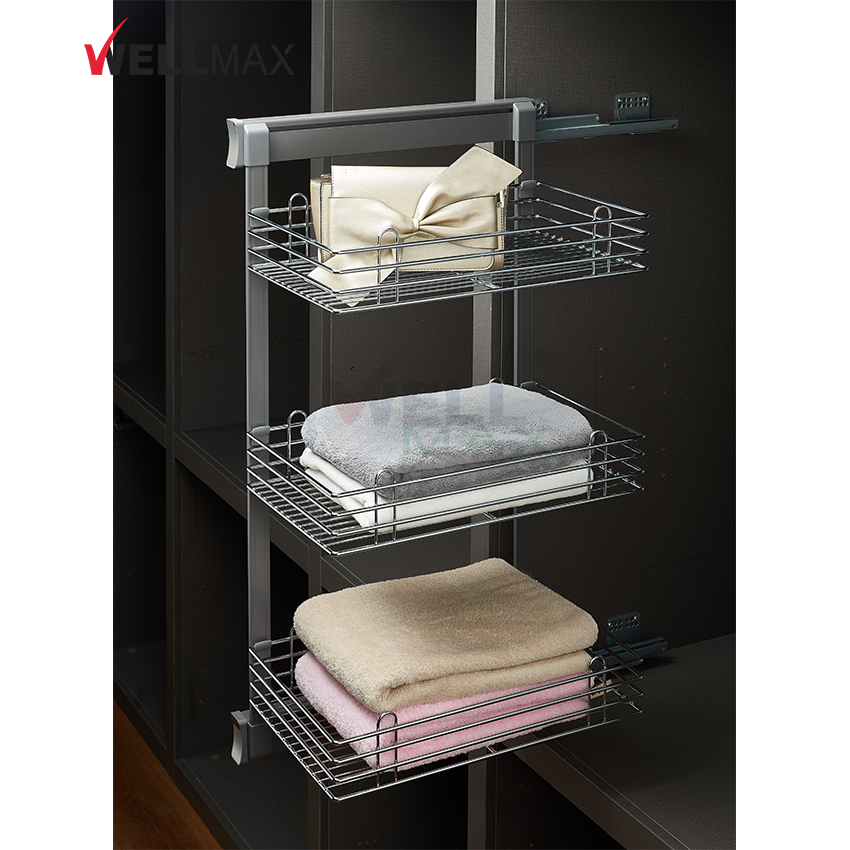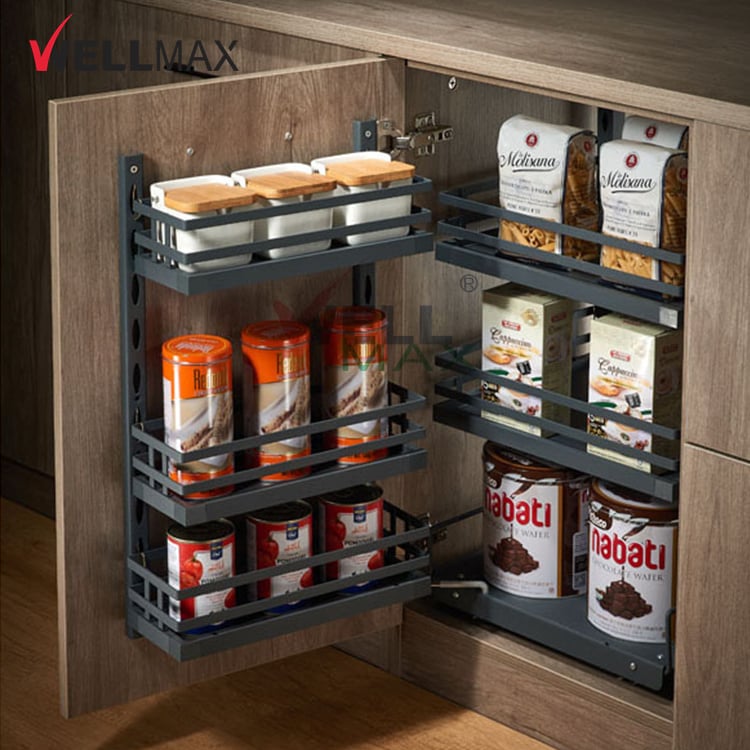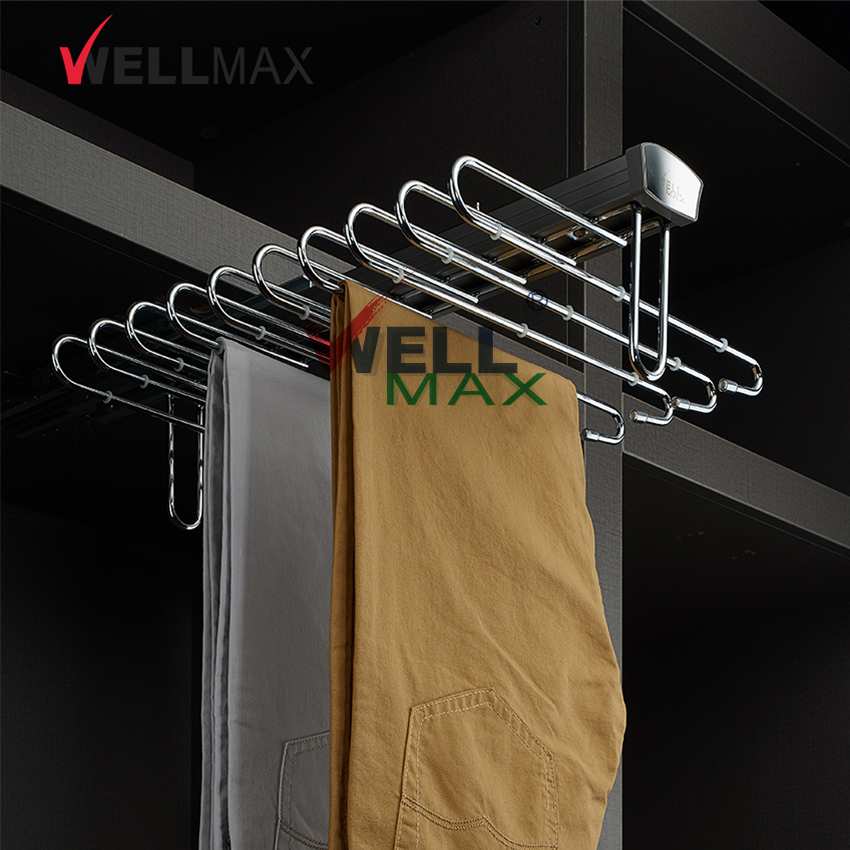
Handles and knobs actually play different roles when it comes to functionality. Studies suggest that pulls need about 25% less grip force compared to knobs, which makes sense why they work so well on those lower cabinets and big drawers we open all the time. The convenience factor is pretty important there. Knobs tend to give better leverage for reaching up high places and generally take less effort to install too. Minimalist kitchen lovers might want to check out finger pulls with built-in grooves these days since they completely remove any sticking out hardware. Think about how often certain cabinets get used throughout the day. People who cook regularly will find themselves opening their spice racks or drawer units dozens of times daily, so going with ergonomic pulls makes real sense for reducing strain over time.
Modern kitchens increasingly rely on purpose-built hardware to solve real-world challenges. Three innovations stand out for safety, accessibility, and longevity:
Kitchen hardware should match rather than clash with the overall design style. For Shaker kitchens, basic bin pulls or plain oval knobs work well since they fit right into the minimalist vibe. Modern kitchens look great with long straight handles or sharp geometric shapes that go along with flat panel cabinets. Traditional spaces usually call for fancy pulls with decorative backplates or old fashioned knob finishes that complement the deep wood grain patterns and raised panels on doors. Transitional kitchens manage to blend different periods nicely. Think sleek bar pulls with soft curves at each end these create a nice middle ground between contemporary edges and traditional warmth. Don't mix different styles in one area though. Interior designers see time and again that when hardware doesn't match up visually, it breaks the flow of the space and makes everything feel less carefully crafted.
Getting finishes to work together is really important for creating cohesive designs. Satin brass looks great with those warm wood cabinets we see so much these days, especially when paired with bronze faucets. Matte black handles tend to look best on darker granite countertops where they blend right in with other matching fixtures. People often mess up by mixing tones that don't go well together, like putting cool toned chrome next to warm oak wood. Another common problem happens when there's too much contrast between different finishes without any repeating elements to tie things together. And let's not forget about appliances either many folks overlook whether their trim matches anything else in the space. Most pros stick to what's called the 60-70% rule, meaning they pick one main metal finish for big items such as cabinets, faucets, and lights, then add just one accent somewhere else. Stainless steel works pretty much everywhere, but living bronze has this amazing way of aging beautifully with natural stones over time. According to recent trends reports from last year, going beyond three different metal finishes usually creates clutter and actually makes homes seem less valuable to potential buyers.
Getting the right size hardware makes all the difference when it comes to how cabinets look and feel to use. For drawer pulls, something around a third of the door width works best in most cases. Take a 15 inch drawer for example, a 5 inch pull would be about right. When it comes to knobs, their size matters too. Most people find that 1.25 inch knobs work well on standard cabinets where the front is only three quarters of an inch thick. And don't forget about spacing between those mounting holes either. The distance from center to center affects not just how comfortable it feels to grab hold, but also whether everything stays securely attached over time.
| Cabinet Type | Recommended Pull Length | Knob Diameter | Center Spacing |
|---|---|---|---|
| Upper Cabinets (12–24") | 3–5 inches | 1–1.25 inches | 2.5–3 inches |
| Drawers (15–30") | 5–8 inches | 1.25–1.5 inches | 3–4 inches |
| Pantry Doors (30"+ ) | 8–12 inches | 1.5+ inches | 4–5 inches |
Oversized pulls on narrow drawers overload hinges; undersized knobs on wide doors compromise grip control. Consistent spacing prevents awkward hand positioning—reducing cumulative wrist strain and supporting efficient workflow in high-traffic kitchens.
How durable something is really comes down to what it's made of. Take stainless steel for instance. It stands up to corrosion better than most materials around and basically needs no maintenance at all. The stuff can handle about 50 pounds when pulled straight, which makes it great for places near the ocean or anywhere humidity runs high. Brass is another good option that lasts for many years without falling apart structurally. But brass does develop a greenish tint over time called patina. To keep it looking shiny again, people usually polish it every now and then. Matte black coatings work differently. They use this process called PVD to resist scratches and fingerprints pretty well. Still worth noting though, if someone cleans these surfaces with harsh chemicals repeatedly, they might start wearing away after a while. Living bronze has its own charm too. Instead of rusting away like regular metals do, it actually changes color beautifully as it ages. These bronzes pass those tough salt spray tests mentioned in standards documents, getting better looking with each passing year. When considering weight limits, material matters a lot. Zinc alloy parts tend to break when loaded beyond 30 pounds or so. On the other hand, both solid stainless steel and brass can hold much heavier loads safely for deep storage applications. So when picking out hardware, think about where it will go, how much stress it'll face daily, and what kind of look people want to see down the road instead of focusing solely on how things appear right out of the box.
Pulls require about 25% less grip force compared to knobs, making them more suitable for lower cabinets and drawers that are frequently used.
Specialized options like appliance pulls and soft-close latches are designed to address specific needs like weight distribution and noise reduction, enhancing both convenience and longevity of kitchen hardware.
Choose hardware that complements the kitchen style. For example, Shaker styles work well with plain pulls, modern styles with geometric shapes, and traditional styles with decorative finishes.
Stainless steel and solid brass are highly durable, offering good corrosion resistance and weight capacity. Living bronze and matte black are also excellent options, with unique aging characteristics and resistance to wear.
 Hot News
2025-10-13
2025-08-27
2025-08-12
2025-07-29
2025-07-16
2025-06-10
GUANGZHOU WELLMAX HOUSEHOLD CORP. LTD is a specialized manufacturer, design, produce and sell high-end whole house intelligent hardware and multifunctional hardware.
A101 C101, No. 70 Lanzhang Road, Lanhe Town, Guangzhou, Guangdong, China
Copyright © 2025 by Guangzhou Wellmax Household Corp., Ltd. Privacy Policy