
Pantry Unit Types and Spatial Applications
Walk-In vs. Reach-In vs. Slide-Out: Matching Pantry Type to Kitchen Layout
Floor to ceiling walk in pantries are great storage options for big kitchens and families who need easy access to lots of supplies at once. For tighter spaces, reach in models work well too. These have vertical shelves that keep dry goods organized and leave room for small appliances without taking up much floor space. Slide out drawers are another smart solution when there's only a sliver of space between cabinets. They fit right into those tight spots and can hold things like spices or baking sheets even if the depth is just around six inches. Most walk ins need about 20 to 30 square feet of space, so they might not fit everywhere. But slide outs solve this problem nicely in cramped areas where every inch counts. The way these different pantry styles fit together matters a lot for kitchen layouts.
Space-Saving Advantages of Wall-Mounted and Pull-Out Pantry Units
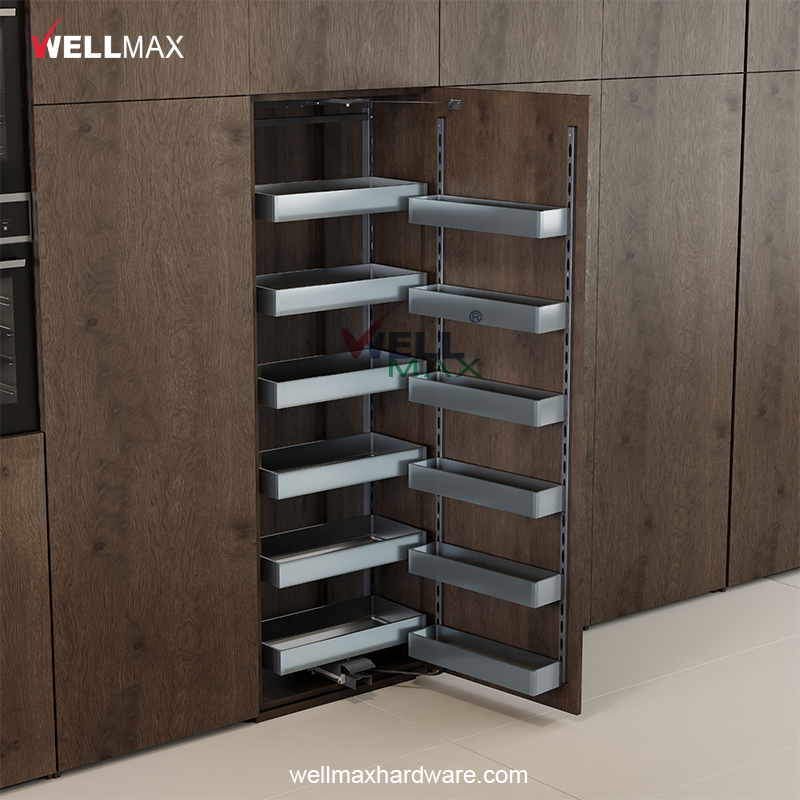
Mounting storage on walls takes precious counter space off the ground level and gives back around 10 to maybe even 15 square feet of floor area in smaller kitchen spaces. The pull out systems that come with those long reaching glides let people see everything on the shelves at once. This means way fewer expired snacks getting tossed out or forgotten ingredients gathering dust somewhere deep inside regular cabinets. We're talking about cutting down waste by roughly forty percent when compared to traditional storage solutions. What's really nice is how these wall mounted options fit right into current cabinet setups. Homeowners can basically install a pantry system overnight without needing to tear anything apart or hire contractors for major renovations.
Data Insight: Popularity Trends in Pantry Unit Selection (NKBA, 2023)
The National Kitchen & Bath Association reports that built-in pantry cabinets are showing up in about 58% of kitchen renovations these days, which marks a pretty significant jump from just 2020 when it was around 36%. When looking at smaller homes, specifically those under 1,800 square feet, slide out storage solutions account for roughly 34% of all pantry improvements. This makes sense given how city dwellers tend to value every inch of space they can get. Walk in pantries? Not so much anymore. Only about 12% of people surveyed actually want them, down nearly 9 percentage points compared to previous years. As kitchens themselves are getting smaller on average, this preference shift isn't surprising at all.
Freestanding Options for Flexible and Temporary Pantry Solutions
Mobile pantry carts with locking casters offer renters and multi-use spaces 8–12 cubic feet of adjustable storage. Convertible armoires featuring removable shelving can transition between dining rooms, laundry areas, or future kitchen installations. These freestanding options typically cost 60% less than custom builds while delivering 85% of core pantry functionality.
Optimal Dimensions and Accessibility Standards for Pantry Units
Recommended Aisle Width (Minimum 36 Inches) for Walk-In Pantry Units
A minimum 36-inch aisle width ensures wheelchair accessibility and compliance with mobility standards in walk-in pantries. For households with frequent dual traffic–such as couples cooking simultaneously–expanding the aisle to 42–48 inches allows comfortable movement, even when doors or shelves are open, and accommodates small carts or step stools.
Shelving Depth and Height Guidelines to Maximize Usability
Shelving depths of 14–16 inches balance storage capacity with visibility, preventing smaller items from being lost at the back. Position daily-use items between 30–60 inches above the floor–the ergonomic "golden zone"–to minimize bending and stretching. This range keeps reliance on step stools below 12% for users of average height.
Balancing Fixed Standards with Custom Flexibility in Dimension Planning
While standardized dimensions ensure baseline functionality, adaptable designs better support evolving household needs. Adjustable shelving systems allow reconfiguration for seasonal bulk purchases or new appliances. Prioritize hardware that maintains ergonomic access while enabling 15–20% storage expansion over time.
Smart Organization and Storage Solutions for Efficient Pantry Use
Vertical Storage and Stackable Bins to Utilize Overhead Space
Wall mounted racks and overhead shelves are great ways to make the most of limited vertical space in kitchens. For storing dry goods like pasta, grains, and baking essentials, stackable bins made of either acrylic or tempered glass work really well since everything remains visible and easy to organize. Ceiling supported shelf systems measuring around 12 inches by 16 inches typically handle about 25 pounds worth of canned goods just fine. This keeps heavy stuff off countertops while still putting everyday items where they're easily accessible when needed.
Pull-Out Drawers, Lazy Susans, and Tiered Shelves for Easy Access
Rotating Lazy Susans optimize corner spaces, providing 360° access to spices and condiments. Full-extension drawer slides ensure complete visibility of stored contents, cutting search time by 40% compared to static shelves. Tiered shelving with 7"-9" height increments enhances visibility across layers, making it easier to locate ingredients quickly.
Spice Racks and Drawer Dividers to Enhance Daily Functionality
The customizable drawer inserts come with those adjustable dividers that really work wonders for storing oil bottles, kitchen utensils, and all those weirdly shaped containers nobody knows what to do with. Then there are these magnetic spice racks we attach to pantry doors they can hold around 24 regular sized jars and somehow manage to free up nearly two square feet of precious shelf space. When it comes to baking stuff, the 3 inch deep divider trays make all the difference. They keep measuring cups from rolling away and separate rolling pins so they don't get lost in the back of the drawer but still let everything grab quickly when needed for weekend baking sessions.
Avoiding Over-Organization: Balancing Neatness with Practical Use
Labeled containers and matching bins definitely make things look neater, but don't forget to leave about 15 to 20 percent of shelf space for those oddball items we all accumulate snacks in weird packaging, big boxes that won't fit anywhere else. When arranging stuff, think about how often things get used. Breakfast items should be where they're easy to grab first thing in the morning, while those holiday plates and special occasion glasses can go on higher shelves where they won't get bumped around daily. According to NKBA studies, people tend to keep their organization systems going for roughly 73 percent longer if there's some room for adjustment in the setup. After all, life throws curveballs, and our storage solutions need to handle them too.
Customization Features That Enhance Personalization and Long-Term Use
Modern pantry units have evolved into dynamic organizational systems where customization directly impacts daily functionality and user satisfaction. By incorporating adaptable features, these storage solutions grow with changing household needs while maintaining efficient access to essentials.
Adjustable Shelving and Modular Baskets for Evolving Needs
Adjustable sliding shelves that can be set anywhere between 1 to 3 inches higher or lower work great for storing all sorts of kitchen stuff, from big cereal boxes down to those tiny spice jars. Plus, taking out the baskets makes it easy to rearrange things whenever seasons change or needs shift. The National Kitchen & Bath Association has found something interesting here too - kitchens with these kinds of modular storage solutions tend to stay useful for much longer periods than ones with regular fixed shelving, actually about 34% longer according to their research. And people who live in homes with this kind of flexible storage system say they don't need to mess around with reorganizing cabinets nearly as often as before, cutting down on that task by roughly 20%.
Glass Jars, Uniform Containers, and Labeling Systems for Clarity and Style
Standardized containers reduce visual clutter, with 82% of users reporting faster ingredient identification in label-first pantries. Airtight glass jars extend the freshness of dry goods by 2–3 weeks over plastic packaging. This organized approach also reduces annual food waste by 18–22% in surveyed households.
Consumer Preference Data: 78% Favor Customizable Pantry Interiors (NKBA, 2023)
Industry data reveals a 15% year-over-year rise in demand for reconfigurable pantry components. The 78% preference for customizable interiors reflects a broader trend toward kitchens that evolve with lifestyle changes rather than necessitate costly renovations.
Integrating the Pantry Unit into Kitchen Workflow and Overall Design
Strategic Placement Relative to Cooking, Prep, and Cleaning Zones
The ideal spot for a pantry is about 5 to 7 feet away from where most cooking happens, cutting down on all that back and forth when prepping meals. Kitchen designers at NKBA's 2023 workflow study found this works well for around two thirds of them. Putting the pantry near the sink and dishwasher makes sense too since it's easier to grab those cleaning products when needed. When the pantry lines up with prep areas, ingredients can flow smoothly from storage to stove without interruption. Just watch out for door placement though nobody wants to open a pantry door only to bump into something important or block someone walking through the space.
Extending the Kitchen Work Triangle to Include the Pantry Unit
In modern kitchen layouts, many designers now consider the pantry as part of the core triangle formed by the sink, stove, and fridge. Most professionals suggest that walkways connecting these areas shouldn't exceed around 9 feet if we want to keep things running smoothly. Take for instance when someone keeps their microwave or toaster in the pantry space. That storage area needs to be close enough so folks can grab those items without crossing through their main work zone. Ideally, it should sit within easy reach of both the counter surface where food prep happens and the power sources needed for those gadgets.
Incorporating Appliances: Microwaves, Beverage Centers, and Ventilation Needs
Integrating microwaves, coffee stations, or warming drawers into pantry units requires dedicated circuits and proper ventilation. Undercabinet exhaust systems prevent heat buildup from toaster ovens or similar appliances, protecting shelving integrity. The NKBA advises allowing 6–12 inches of clearance above heat-generating devices to ensure safety and adequate airflow.
Case Study: Seamless Pantry Integration in Open-Concept and High-End Kitchens
In a recent kitchen overhaul for a 450 square foot open plan space, designers installed a pantry that runs all the way from floor to ceiling with mirrored panels inside. This clever trick makes the room look bigger while hiding most of the dry goods storage area behind those mirrors. According to motion tracking studies done on similar kitchens, people end up making about 40 percent fewer trips across the kitchen when preparing meals compared to traditional setups. Luxury home renovations these days are really getting creative with how they incorporate pantries into living spaces. Many designers now opt for pocket doors instead of regular ones and match the pantry cabinetry exactly with surrounding furniture so it doesn't stand out as just another storage spot but becomes part of the overall aesthetic statement.
FAQ
What are the benefits of using a wall-mounted pantry unit?
Wall-mounted pantry units help save floor space, provide easy access to stored items, and fit seamlessly into existing kitchen setups.
What is the ideal aisle width for a walk-in pantry?
An ideal aisle width for a walk-in pantry is at least 36 inches to ensure accessibility, with 42-48 inches preferable for high-traffic households.
How can I maximize pantry storage without remodeling?
Utilize vertical storage options, stackable bins, and pull-out systems to make efficient use of existing space without major renovations.
Why are slide-out pantry units popular in smaller homes?
Slide-out pantry units are popular in smaller homes as they maximize space usage, allowing easy access to stored items while fitting compactly between cabinets.
How can customization improve pantry usability?
Customization through adjustable shelving and modular baskets allows for flexible use of space, adapting to changing storage needs over time.
Table of Contents
- Pantry Unit Types and Spatial Applications
- Optimal Dimensions and Accessibility Standards for Pantry Units
- Smart Organization and Storage Solutions for Efficient Pantry Use
- Customization Features That Enhance Personalization and Long-Term Use
- Integrating the Pantry Unit into Kitchen Workflow and Overall Design
- FAQ