
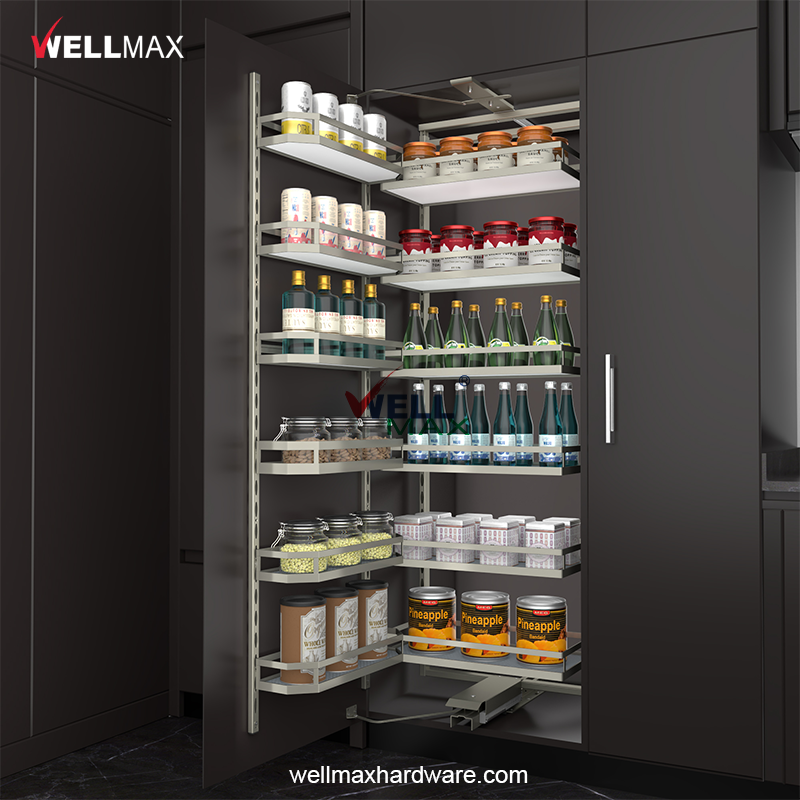
Understanding Larder Units: Definition, Function, and Modern Use
Definition of Larder: Historical Context and Evolution
The concept of the larder unit dates back to medieval times in Europe when families needed somewhere to keep their food fresh before refrigeration existed. Back then, people built special rooms with good air circulation to store perishables like meat, cheese, and potatoes. These early storage areas worked wonders because they had thick stone walls that kept heat out, plus they were often positioned facing north to avoid direct sunlight. As time went on through the 1800s, what we now call larders started appearing as part of kitchen furniture itself. They featured clever designs such as mesh front doors that let air flow through while keeping pests away, along with sturdy slate shelves that stayed cool even during warm weather. Modern day versions still stick to those basic ideas but incorporate newer materials like insulated panels and adjustable shelving systems. What makes them so popular today is how well they blend old world wisdom with contemporary needs for efficient kitchen storage without relying on electricity.
Function and Purpose of a Larder Unit in Today’s Kitchen
Larder units these days offer something different compared to regular fridges when it comes to storing stuff that needs cool temps but doesn't want to freeze solid. These units cut down on power usage while keeping food fresh longer. Take leafy greens as just one example they tend to stay good about 15 to maybe even 20 percent longer in a proper larder setup versus those plastic crisper drawers we all know too well according to some USDA guidelines from 2022. What makes them stand out is how many have special compartments built right in. There's space for wine bottles to age properly, spots where bread won't get soggy, and areas specifically designed for potatoes and carrots that just fall apart in normal fridge settings. Pretty smart design really.
Cooling Mechanisms and Insulation: How Larder Units Preserve Perishables
Larder units use three primary strategies to preserve food:
- Passive Cooling: Strategically placed vents or grilles maintain internal temperatures between 50–55°F (10–13°C).
- Thermal Mass: Materials like marble or ceramic absorb heat fluctuations.
- Insulation: Up to 60mm of polyurethane foam minimizes external temperature impact.
| Feature | Traditional Larder | Modern Larder Unit |
|---|---|---|
| Temperature Range | 40–60°F | 45–55°F |
| Energy Use | None | 10–15 kWh/month |
| Humidity Control | Passive (stone) | Active (adjustable) |
Storage Capacity and Organization: Larder vs Refrigerator Comparison
Full height larders typically give around 15 to 18 cubic feet of storage space, comparable to what most people would find in a mid sized fridge. But here's where they really shine: these storage units have about 30 percent better access to shelves because of those handy pull out racks and multi level compartments inside. Regular fridges tend to squander valuable room on things like dairy drawers that not many folks actually use much anyway. Larders make much better use of the vertical space available. Some research published last year in the Material Science Review suggests that households which cook primarily with fresh ingredients experience roughly 22% less food going bad when using larders instead of traditional refrigeration methods.
Exploring Pantry Units: Role, Design, and Ideal Storage Conditions
Definition of Pantry: From Traditional Storage to Modern Kitchen Feature
Back in the day, pantries served as those cool, dry storage spaces where folks kept their grains, preserved foods, and all sorts of cured meats. These old fashioned storage areas had very little air? and thick stone walls which helped keep things at just the right temperature. Fast forward to today and we see completely different designs. Modern pantry units are basically fancy cabinets meant to make kitchen organization easier for everyone. Larders still handle the perishable stuff while modern pantries are all about storing dry goods, spices, and other items that don't need refrigeration. What's great is how these contemporary storage solutions fit right into kitchens no matter if the space is small or part of an open floor plan design.
Purpose of a Pantry Unit in Contemporary Homes
According to the Kitchen Efficiency Report from 2023, pantry units can cut down on countertop mess by around 43%. These storage solutions act as go-to spots for all those things needed when preparing meals, think pasta boxes, cans of veggies, and baking ingredients. What makes them so useful is how they handle large quantities while still letting cooks grab what they need fast without rummaging through cabinets. Some newer models even have space for coffee makers, dish soap bottles, maybe even dog food bags stacked neatly behind the door. Pretty much every home has different stuff lying around, and good pantry designs just seem to fit whatever comes their way.
Optimal Storage for Dry Goods, Canned Items, and Non-Perishables
To maximize shelf life:
- Store grains and legumes in airtight, BPA-free containers.
- Arrange canned goods by expiration date using tiered shelving.
- Keep herbs and spices in UV-protected drawers to preserve flavor.
Improper organization contributes to an average 18% annual food waste (2023 Food Safety Study). Transparent jars and modular bins improve visibility, while humidity-controlled compartments help retain texture in brown sugar and dried fruits.
Pantry Organization: Pull-Out Shelves, Modular Design, and Accessibility
When it comes to pantry organization, custom shelving makes a huge difference. Systems like pull out racks and those spinning carousel things can boost access to stuff stored at the back by about 67% according to Pantry Efficiency Research from last year. Vertical dividers stop bags from collapsing on each other, while those shallow drawers make it so much easier to spot tea bags or seasoning packets when reaching for them. Most organizers suggest adding labels and getting those adjustable wire baskets too. They really help when storage needs shift over time, which happens more often than we'd like to admit.
Key Differences Between Larder and Pantry Units
Temperature Control and Ventilation: Larder vs Pantry Environment
Larder units keep things cool at around 7 to 12 degrees Celsius, which is roughly 45 to 54 degrees Fahrenheit. They achieve this with good insulation and passive cooling methods that help slow down bacteria growth in food items such as milk products and cured meats. Regular pantries are different though. They depend on whatever temperature happens to be in the room and just let air circulate naturally, so they're not really meant for keeping things cold. According to a recent 2023 study on food safety practices, homes with proper larders saw their fresh produce last significantly longer than those relying on standard pantry storage. The research showed spoilage rates dropped by about 38%, which makes a real difference when trying to minimize waste and save money over time.
Food Preservation Capabilities: Perishable vs Dry Goods Storage
A good larder can keep perishable foods fresh about 30 days longer thanks to those special humidity controlled areas that maintain around 55 to 60% relative humidity. These conditions work wonders for veggies and all sorts of cheeses. For dry stuff like grains and cans, pantries are really the way to go since they need lower humidity levels under 50% to stop things from sticking together or getting rusty. According to some recent findings from the National Food Lab in 2024, storing dried herbs in proper pantries actually keeps them potent roughly 20% longer compared to regular kitchen cabinets. Makes sense when thinking about how important aroma and flavor retention is for cooking enthusiasts.
Size, Footprint, and Integration in Kitchen Layouts
Full-height larder units typically occupy 60–70cm in width and support vertical storage of 35–50kg, making them efficient for smaller kitchens. Modern designs often feature pull-out wire baskets for ergonomic access. Pantries generally require 1.2–2m² of floor space but offer horizontal shelving better suited for bulk storage.
Material and Build: Insulation, Shelving, and Energy Efficiency
Larders incorporate 40–60mm polyurethane foam insulation and galvanized steel shelving to sustain cool interiors, consuming 20–30% less energy than full-sized refrigerators. In contrast, pantries use ventilated MDF shelving with minimal insulation, prioritizing affordability and ease of maintenance over thermal performance.
Choosing the Right Unit for Your Kitchen: Larder or Pantry?
Assessing Household Needs: Cooking Habits, Family Size, and Storage Demands
Families who cook regularly or eat lots of fresh veggies really get their money's worth from a good larder unit. These storage solutions keep food at just the right temps around 4 to 12 degrees Celsius or about 40 to 54 Fahrenheit so nothing spoils too fast. For bigger households with four people or more, storage needs jump somewhere between 25 and 35 percent higher than average. That's why adjustable shelves matter so much when organizing those bulk bags of pasta and grains. The newer models on the market today come with hidden compartments where folks can stash away spices, baking sheets, even small appliances. This helps cut down on kitchen counter mess significantly, maybe as much as two thirds in busy homes where space is always at a premium.
Kitchen Space Considerations: Small Kitchens vs Large Open-Plan Layouts
Built-in larder units occupy just 2–4 sq ft, fitting neatly within standard cabinetry—ideal for galley or compact kitchens. Walk-in pantries require 15–20 sq ft but provide superior access to canned goods and small appliances. For narrow spaces, pull-out pantry units with 16"-deep shelves maximize vertical capacity without obstructing walkways.
Larder Unit vs Pantry: Which Offers Better Long-Term Value?
| Factor | Larder Unit | Pantry Unit |
|---|---|---|
| Energy Efficiency | Moderate (cooling systems) | None |
| Maintenance Costs | £50–£100/year (seal replacement) | £10–£30/year (cleaning) |
| Durability | 10–15 years (insulated models) | 20+ years (solid wood builds) |
Larder units excel at preserving herbs, cheeses, and leftovers, while pantries deliver cost-effective, long-term storage for grains and preserves. According to the Kitchen Design Trends Report 2024, 72% of homeowners prefer pantry units in remodels due to their versatility and durability.
FAQs about Larder and Pantry Units
What is the primary difference between a larder and a pantry unit?
A larder unit is primarily designed for preserving perishable items at cool temperatures with controlled humidity, while a pantry is meant for storing non-perishable goods like grains, spices, and canned items at room temperature.
How do larder units save energy compared to traditional refrigerators?
Larder units utilize passive cooling, thermal mass, and effective insulation rather than continuous electricity usage, which reduces power consumption.
Is it necessary to have both a larder and a pantry in a modern kitchen?
Having both can complement kitchen storage needs, with a larder preserving perishables efficiently and a pantry organizing dry goods effectively. However, the choice depends on personal cooking habits and available space.
Are modern pantries customizable to fit different kitchen layouts?
Yes, modern pantries often offer modular designs and adjustable shelving to accommodate varying space limitations and storage needs in different kitchen layouts.