
Frame Material and Structural Integrity: The Foundation of Ironing Board Durability
Steel vs. Aluminum Frames: Weight, Corrosion Resistance, and Load-Bearing Capacity
Steel frames provide excellent structural strength and can hold well over 250 pounds without bending or warping, which makes them great for supporting heavier materials such as denim or thick quilts according to tests from the Home Appliance Testing Institute last year. The powder coating on these steel frames helps prevent rust even in damp environments like laundry rooms where moisture tends to build up over time. Aluminum options weigh about 40 percent less than their steel counterparts typically ranging between 9 to 12 pounds compared to 15 to 20 pounds for steel. While this lighter weight definitely makes aluminum easier to move around, they just don't hold up quite as well under heavy loads usually maxing out at 180 to 220 pounds before showing signs of stress. Another important consideration is how quickly aluminum reacts with steam left behind after washing clothes. Tests show that aluminum starts to corrode roughly three times faster than coated steel when exposed to those same conditions, something that really matters if we're talking about lasting performance over many years of use.
| Material | Weight | Corrosion Resistance | Load Capacity |
|---|---|---|---|
| Steel | Heavy (15–20 lbs) | High (with coating) | 250+ lbs |
| Aluminum | Light (9–12 lbs) | Moderate | 180–220 lbs |
Joint Design, Leg Lock Mechanisms, and Real-World Stability Under Daily Use
Steel joints that are welded together offer much better rigidity compared to other options, which means no wobbling when doing intense ironing sessions. Bolted connections tend to wear down with regular use over time though. The dual position safety latches found on these integrated leg systems stop the board from folding accidentally something many basic models just don't have built in. Ironing boards featuring those reinforced T shaped joints actually perform better in tests showing around two thirds less problems with stability after being used about 500 times. Those cross braced legs help spread out the weight properly so pressure gets distributed across all four corners, this helps keep floors looking good and reduces chances of tipping when moving fabric sideways during adjustments. To keep things running smoothly for longer periods, most users find that applying some silicone based lubricant to the joints every half year or so keeps them from getting noisy or stiff.
Cover and Padding Performance: Heat Resistance, Glide Efficiency, and Long-Term Wear
Cotton vs. Polyester-Cotton Blends: Thermal Conductivity, Pilling, and Steam Compatibility
Cotton covers conduct heat about 25 percent quicker compared to those made from synthetic materials which makes them great at removing wrinkles fast. However these same cotton covers tend to develop pills three times as often when exposed to constant steam according to research published by Textile Durability Consortium back in 2022. A common mix of polyester and cotton at around 65% polyester to 35% cotton offers something of a middle ground between resisting pilling while still allowing enough steam through during pressing operations. These blended fabrics also don't soak up moisture like pure cotton does making them better suited for working on damp clothes. The downside though is that irons need to be set to hotter settings somewhere between 150 degrees Celsius and maybe even up to 170 degrees Celsius to get the best results out of them.
Optimal Padding Density (12–18 mm): Balancing Iron Glide, Crease Prevention, and Lifespan
Padding thickness significantly affects both usability and longevity:
- 12–14 mm: Maximizes glide but compresses 40% faster under pressure
- 16–18 mm: Prevents fabric impressions, extends cover life by ~18 months, and maintains resilience through 500+ ironing sessions
High-resilience foam cores (density: 1.8–2.2 lb/ft³) deliver ideal support—preventing permanent indentations without compromising maneuverability. Thinner pads undermine crease prevention, causing new wrinkles to form during pressing.
Ergonomic and Safety Features Designed for Home Ironing Board Users
Height Adjustability (32"–39") and Evidence-Based Injury Prevention for Frequent Use
The ideal height for most people falls between 32 inches and 39 inches tall. This range works well for the typical American woman who stands around 5 feet 4 inches and men averaging about 5 feet 9 inches according to CDC data from 2023. Getting this right helps maintain a straight back position and cuts down on muscle and bone strain over time. Most models come with locking features that stop them from collapsing unexpectedly, which means fewer accidents and safer operation overall. Research published in the Journal of Ergonomics back in 2022 found that fixed height setups actually increase the chances of developing repetitive strain injuries by nearly 28%. When the surface sits at elbow level though, it spreads out the pressure much better during each stroke movement. Users report feeling significantly less shoulder fatigue compared to when they hunch over, with some studies showing reductions as high as 40%. Don't forget to check those leg connections once everything is adjusted properly. If the joints aren't secure enough, small movements can happen that might cause liquids to spill or even result in burns if something hot gets tipped over.
Space-Smart Design: Matching Ironing Board Size, Foldability, and Storage to Home Environments
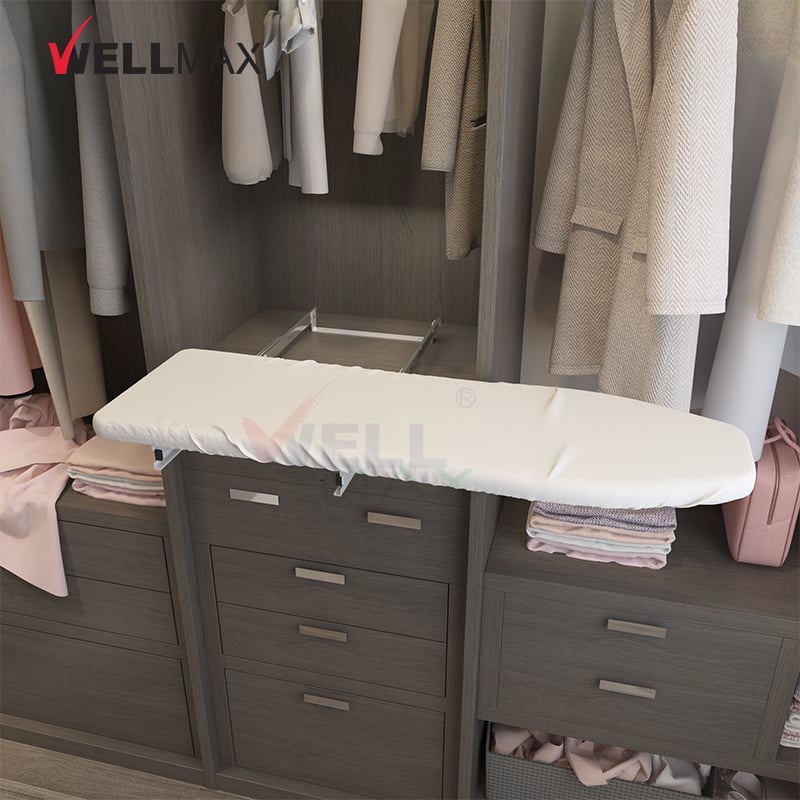
For home users, space optimization is essential. Compact boards (<18" wide) suit apartments and small laundry nooks; larger surfaces (>18" – 45") enhance efficiency in spacious rooms. Prioritize robust foldability—collapsible legs, wall-mount hooks, or closet-integrated designs—to minimize storage footprint. Top-performing solutions include:
- Integrated iron racks
- Gas-spring assisted folding systems
- Under-bed or cabinet slide-out trays
Proper storage can really prolong how long products last since it protects them from getting damp or suffering physical damage over time. Those retractable wall mounted storage solutions actually free up around three quarters of floor space when compared to regular standalone cabinets. Before installing anything overhead, make sure to check dimensions carefully including enough room to fully extend whatever mechanism is involved. Also important to double check what weight capacity the ceiling can handle safely. The addition of comfortable grips and those smoothly operating joints makes these systems much easier to move around whenever someone needs to rearrange things in their workspace.
FAQ Section
Q: What is the best frame material for an ironing board?
A: Steel frames are recommended for their superior structural strength, corrosion resistance, and ability to support heavier loads.
Q: How does padding thickness affect ironing board performance?
A: Padding thickness impacts glide efficiency and longevity, with thicker padding (16–18 mm) providing better crease prevention and resilience.
Q: Why is height adjustability important in ironing boards?
A: Height adjustability helps maintain ergonomic posture, reducing strain and minimizing the risk of repetitive strain injuries.
Table of Contents
- Frame Material and Structural Integrity: The Foundation of Ironing Board Durability
- Cover and Padding Performance: Heat Resistance, Glide Efficiency, and Long-Term Wear
- Ergonomic and Safety Features Designed for Home Ironing Board Users
- Space-Smart Design: Matching Ironing Board Size, Foldability, and Storage to Home Environments