
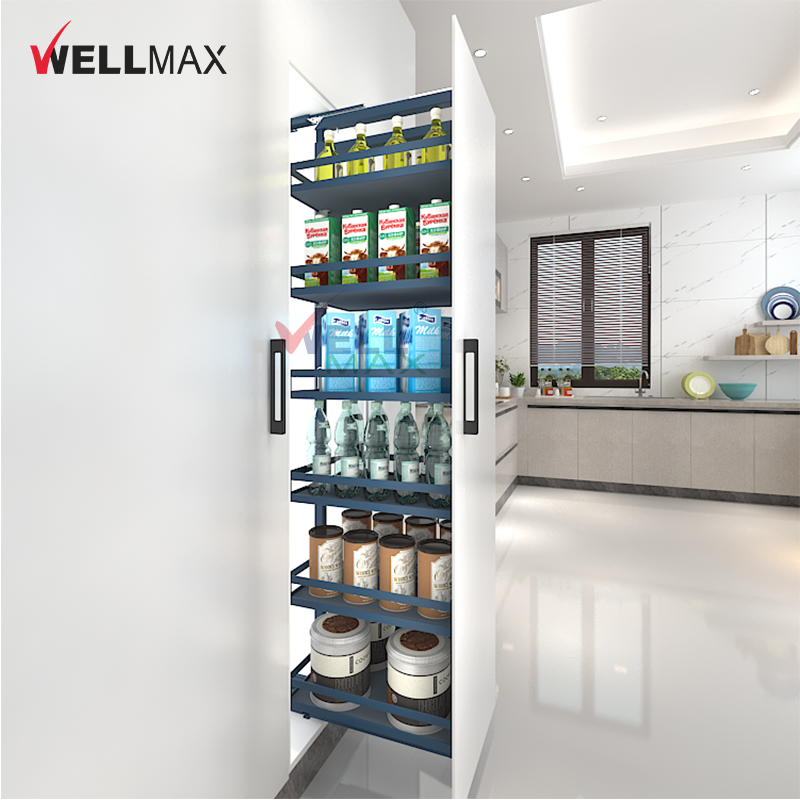
What Is a Pantry Unit? Core Features and Functional Benefits
Pantry units offer a great way to keep all those kitchen staples in one place instead of scattered around the house. Think about it dry goods, cans, spices, even little gadgets they all find a home here. These aren't your regular cabinets though. Pantry units go taller and deeper, giving folks plenty of room to store stuff properly. Many come with shelves that can be moved around and drawers that slide out when needed. The difference is noticeable too. Countertops stay much cleaner since everything has its spot, which makes cooking so much easier. People report finding what they need faster and actually remembering to use older items before they expire, cutting down on wasted food over time.
The advantages of these storage solutions extend far beyond just keeping things organized. When we talk about designated areas for different items in the pantry, it really helps with managing what's inside. People can easily spot when something is about to expire and won't accidentally buy another pack they already have at home. Studies on how kitchens actually work show that being able to see everything clearly saves folks almost half the time they spend searching while preparing meals. The built-in features such as pull out drawers and multiple levels of shelves mean every inch gets used properly. Even small kitchens suddenly become much more functional spaces where cooking becomes less stressful and more enjoyable for everyone involved.
Key advantages include:
- Space optimization: Adaptable layouts accommodate diverse item sizes
- Waste reduction: Visible organization prevents expired goods
- Time savings: Efficient access speeds meal prep
- Value enhancement: Boosts home functionality and appeal
This versatile solution transforms chaotic kitchens into systematically managed spaces where every ingredient has a purposeful home.
Designing Your Pantry Unit: Space-Smart Layouts for Small and Standard Kitchens
Effective pantry unit design transforms limited areas into highly functional storage. Strategic layouts maximize every inch while ensuring accessibility—critical in kitchens where space is premium.
Vertical Optimization: Adjustable Shelving and Over-Door Add-Ons
Capitalize on height with adjustable shelving, which allows customization for tall cereal boxes or short spice jars—eliminating wasted airspace. Over-door racks or hanging baskets add storage without sacrificing floor area. In small kitchens, vertical solutions can increase capacity by 40% by utilizing often-overlooked upper zones.
Deep-Cabinet Solutions: Sliding Shelves and Lazy Susans
Those deep kitchen cabinets can turn into storage nightmares where stuff just disappears. When we install those sliding shelves, everything gets pushed to the front so nobody has to dig through boxes anymore. And don't get me started on those awkward corners - a good quality lazy Susan makes all the difference there, giving full access from every angle. Some research claims these organizational solutions cut down on wasted food by about 22 percent. Makes sense when you think about it though. People tend to eat what they see, right? So better visibility means less expired stuff getting tossed out.
| Solution | Space Type | Key Benefit |
|---|---|---|
| Adjustable Shelves | Small/Standard | Customizable height; no dead space |
| Over-Door Organizers | Small kitchens | Zero footprint; instant access |
| Sliding Shelves | Deep cabinets | Full visibility; no lost items |
| Lazy Susans | Corner units | Effortless rotation; ergonomic use |
Prioritize layouts aligned with traffic flow—placing daily-use items at arm level and bulk goods higher or lower. This logic minimizes movement chaos during meal prep.
Organizing Inside the Pantry Unit: Zoning, Containers, and Labeling Best Practices
Organizing a pantry using functional zones makes sense when trying to maximize space and efficiency. Put things we reach for daily right where they can be seen easily, maybe around waist height or so. Things that come out once in a while go somewhere else, perhaps on higher shelves if they don't take up much room. Big stuff that sits there most of the time belongs down low near the ground where it won't block view of other items. When everything has its proper place according to how often it gets used, finding what needs to be found becomes faster overall. Plus, this kind of setup keeps things from getting messy over time, similar to how stores arrange their products for customer convenience.
Functional Zoning: Eye-Level, Mid-Level, and Floor Storage Logic
Putting similar stuff together makes sense really. Grains and cans should all live in their own little section so nobody wastes time hunting around. The things people grab most often go right at eye level where they can be reached without stooping down all day long. That helps everyone find what they need faster and saves backs from getting sore after hours of bending over. Mid shelves work great for bigger packages that come out once a week maybe. And don't forget the floor area for those heavy duty boxes or whatever gets used only now and then. Organizing storage this way actually cuts down on wasted food quite a bit. Some studies suggest around 25 percent fewer expired items when folks remember to rotate what's sitting out front instead of letting old stuff gather dust behind newer products.
Clear, Airtight, Stackable Containers with Integrated Labeling
Transparent airtight containers work wonders at keeping food fresh while also stopping pests from getting in. The USDA actually estimates these containers can save around $200 a year just by cutting down on wasted food. When looking at storage solutions, stackable options really make sense because they take advantage of vertical space so well. Most people find they can fit about 15% extra stuff in their cabinets when using these kinds of containers. Don't forget to put good labels on everything too! Writing down what's inside plus the expiration date helps everyone know what needs attention first. This simple habit makes it much easier to rotate stock properly and reduces those frustrating moments when something back there has gone bad without anyone noticing.
Maintaining Long-Term Efficiency: Rotation, Audit, and Upkeep of Your Pantry Unit
The 30-Day Stock Rotation Rule and Expiry Prevention Tactics
Regular rotation and checking keeps food waste down and makes sure our pantry stays organized and functional. Try implementing the FIFO method for real results. Every month when we do our checkup, push those older boxes and jars to the front where they can be seen, and put new stuff behind them instead. Following this roughly 30 day cycle means nothing gets left to expire sitting at the back. While going through everything, take a moment to scan those labels and toss anything past its prime. When we transfer food into different containers, always write the expiration date clearly on the outside so nobody forgets. Combine this with some serious cleaning every three months or so. Wipe down all those shelves, check if containers are still sealed properly, and maybe rearrange things depending on what we actually reach for most often these days. Stick with these habits and what used to feel like a tedious task becomes just a quick 15 minute job each week. We've noticed our family throws away about 20% less food since we started doing this consistently.
FAQ Section
What is a pantry unit?
A pantry unit is a storage solution designed to organize kitchen staples like dry goods, cans, and spices in one convenient location, featuring adjustable shelving and deep storage capacity.
How does a pantry unit improve kitchen functionality?
Pantry units enhance kitchen functionality by optimizing space, reducing waste via visible organization, saving time in meal preparation, and increasing home value and appeal.
What design features should I consider for a pantry unit in a small kitchen?
In small kitchens, opt for vertical storage solutions like adjustable shelving and over-door add-ons to maximize space without occupying floor area.
How can I keep my pantry unit organized?
Use functional zoning, clear airtight containers, and labeling to maintain an organized pantry. Regular stock rotation ensures efficiency and prevents food from expiring.
Table of Contents
- What Is a Pantry Unit? Core Features and Functional Benefits
- Designing Your Pantry Unit: Space-Smart Layouts for Small and Standard Kitchens
- Organizing Inside the Pantry Unit: Zoning, Containers, and Labeling Best Practices
- Maintaining Long-Term Efficiency: Rotation, Audit, and Upkeep of Your Pantry Unit
- FAQ Section